
ABOUT
The Computational Archaeology team, led by Prof Hèctor A. Orengo, employs a range of cutting-edge techniques to detect, identify, map, quantify, and analyse archaeological features of interest.
We are part of the Landscape Archaeology Research Group of the Catalan Institute of Classical Archaeology (ICAC-CERCA)
REMOTE SENSING
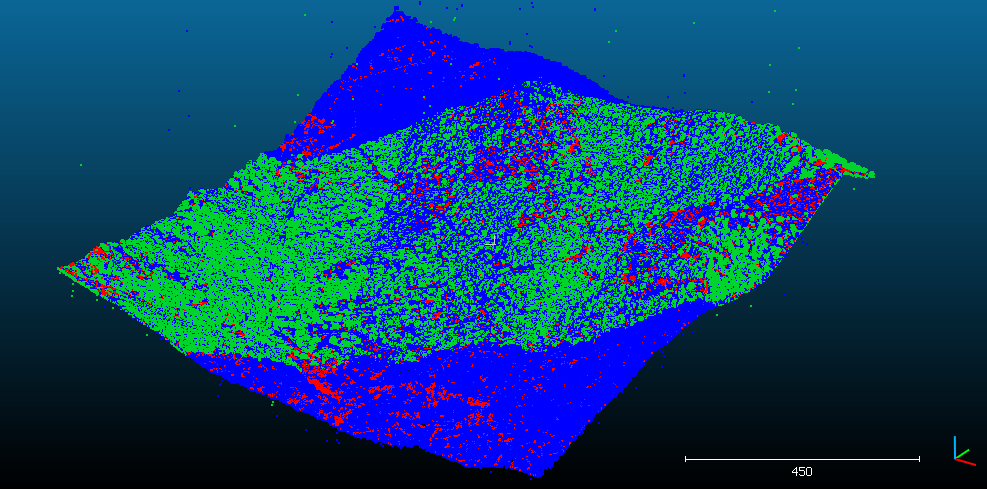
The team’s expertise in remote sensing extends to the processing, analysis, and interpretation of various remote sensing datasets, including historical imagery, multispectral and hyperspectral satelliteimagery, synthetic aperture radar, digital elevation models, LiDAR data, and UAV-based RGB and thermal images.
We focus our remote-based research on the development of multisource, multitemporal analytical methods that employ Big Data in several types of computing platforms, and the accurate detection of archaeological sites, features, and objects in all types of geospatial imagery using machine and deep learning models.The team’s expertise in remote sensing extends to the processing, analysis, and interpretation of various remote sensing datasets, including historical imagery, multispectral and hyperspectral satelliteimagery, synthetic aperture radar, digital elevation models, LiDAR data, and UAV-based RGB and thermal images.
SPATIAL ANALYSIS
Spatial analysis is fundamental in archaeological research, as all human actions and interactions develop in a physical space with a spatial dimension that can be measured and analysed. We have a strong expertise in the use of Geographic Information Systems (GIS) and employ multiple techniques with a spatial component, such as geostatistics, dataset correlation and data fusion, classification, data visualization, DTM development, and topographic analysis.
We also routinely employ other computational approaches for the study of past human environment interactions such as least-cost route analysis, predictive modeling, visibility analysis, spatial network analysis, spatial syntax analysis, water flow analysis, 3D reconstruction, shape analysis and 3D data correlation, and time-aware and multitemporal analysis.
3D RECONSTRUCTIONS
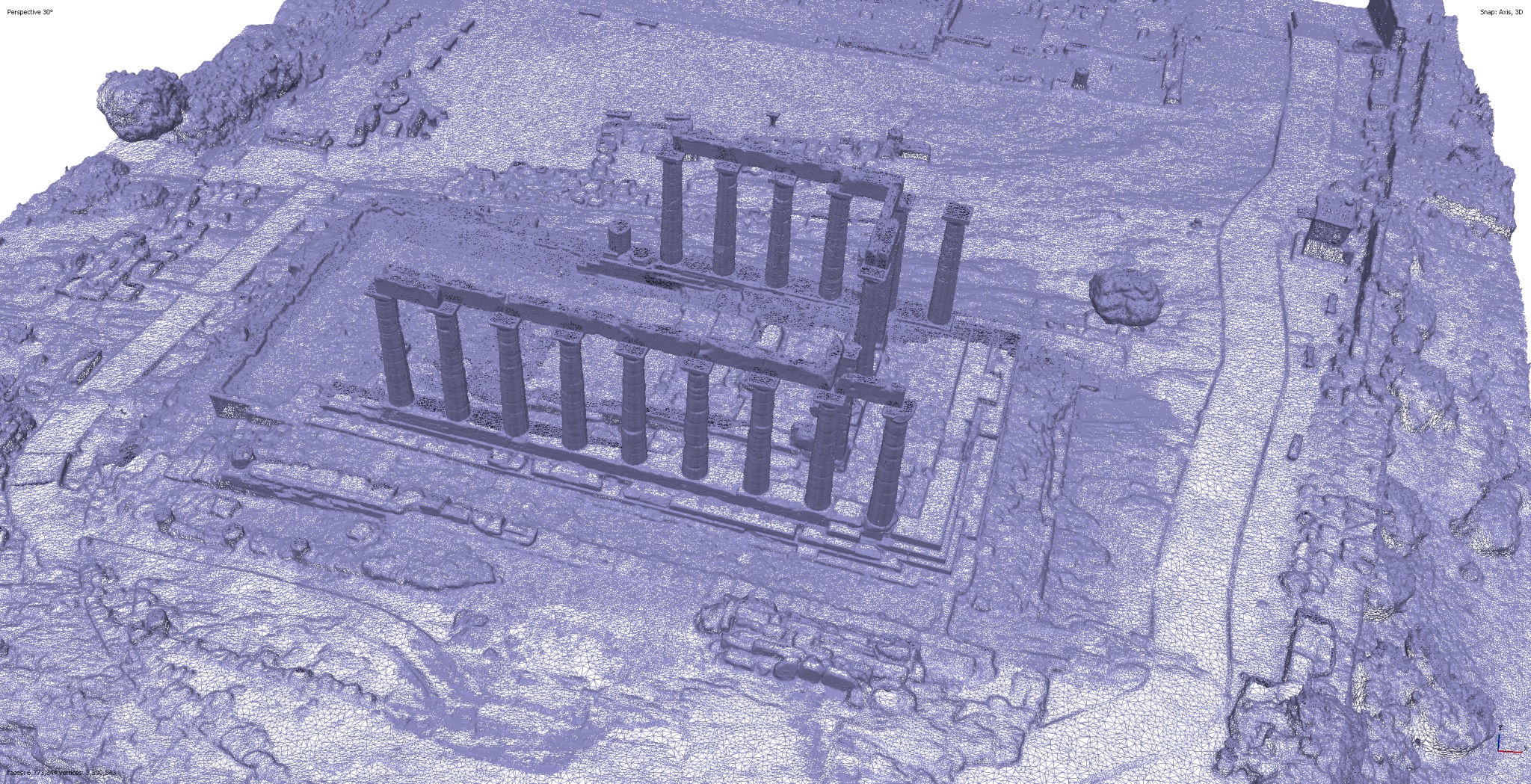
GIAP’s experience in 3D reconstructions ranges from lidar for the analysis of large areas to photogrammetry and laser scanning for the reconstruction of landscapes, buildings, the excavation process, and even centrimetric items and ecofacts. We pioneered some of the earliest applications ofvolumetric recording of excavations, the use of historical aerial photography for the reconstruction of ‘lost’ landscapes and the extraction of microreliefs from drone-based photogrammetry.
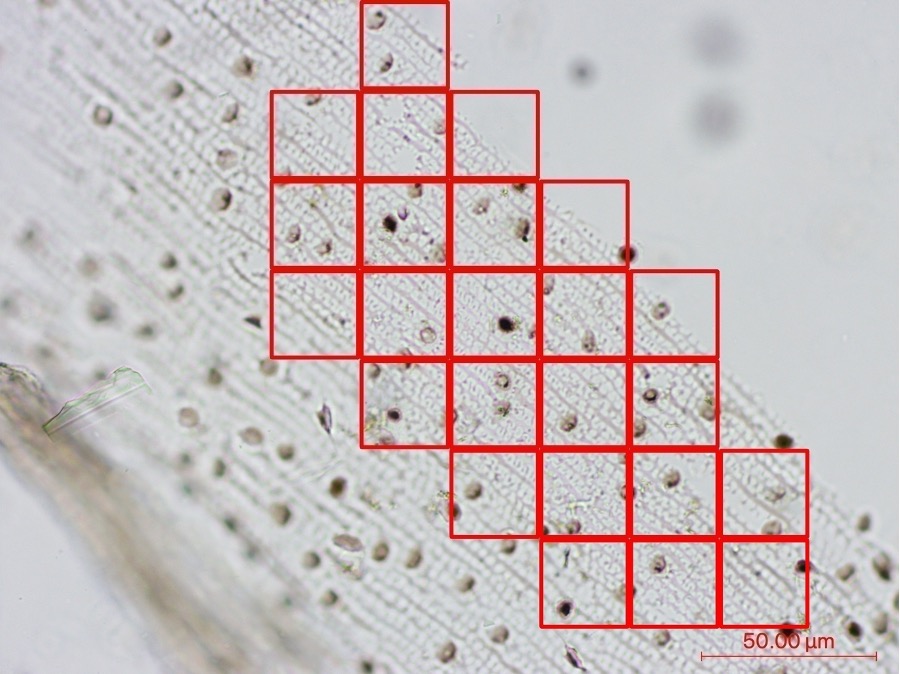
We are currently experimenting with sub-centrimetric 3D reconstructions, from which we extract purposely developed 3D measurements that can be analyzed using geometric morphometrics and artificial intelligence. These methods allow us to extract sociocultural readings from some of the smallest items recovered in archaeological excavations.